Broiler chickens
Gallus gallus domesticus
Comfortable at
18°C to 26°C
Space per animal
0.07 m² of housing
First sale or produce
35 to 49 days
Conditions
What it needs
Heat stress
Above a heat-and-humidity index of 78, expect the animals to go off feed and production to drop.
Soil
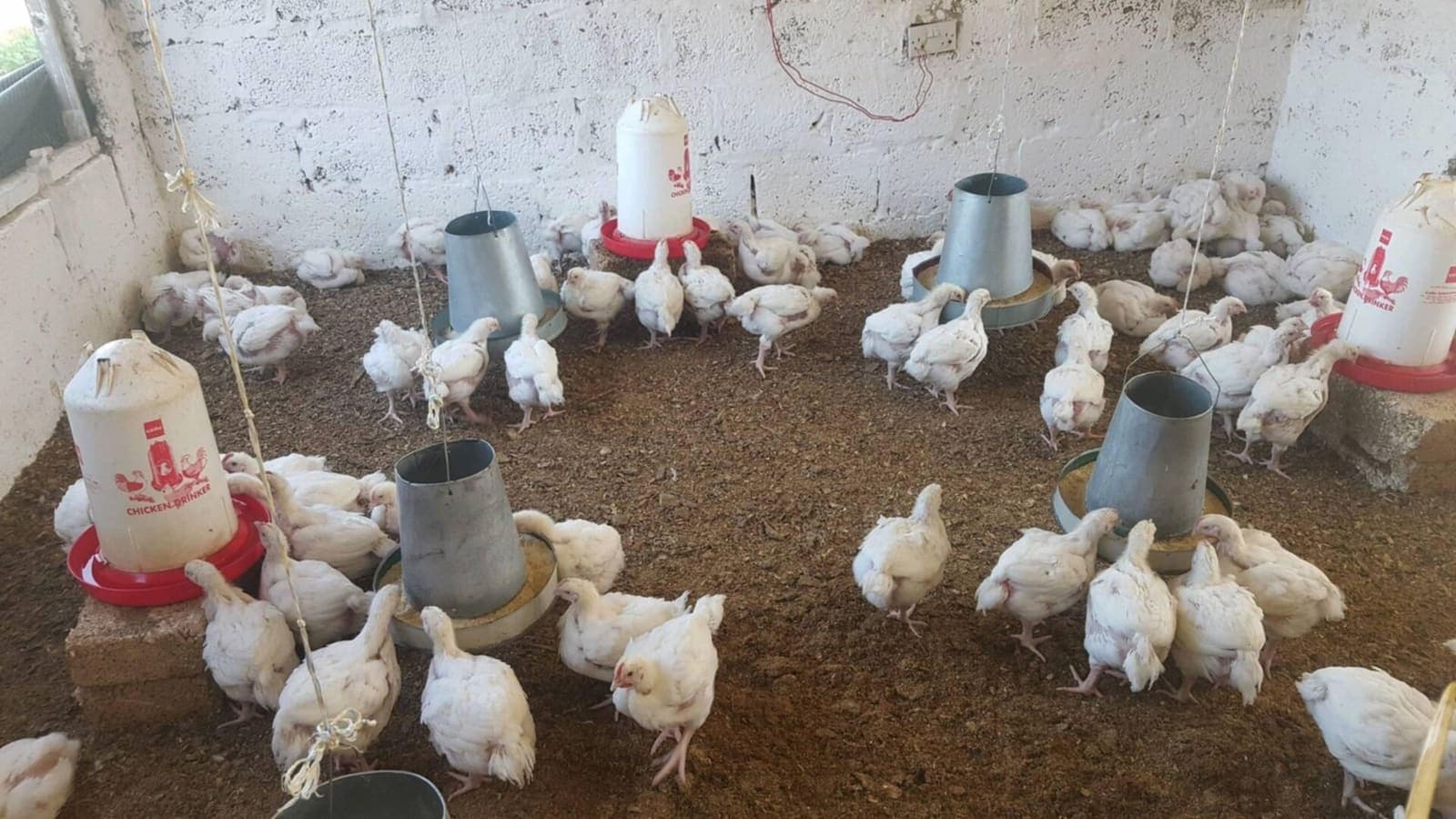
Not soil dependent. Needs a dry, well-ventilated, predator-proof house with clean deep litter.
Feed and water
Constant clean water and a starter, grower then finisher ration. Feed is the largest cost by a wide margin, so feed conversion decides whether the batch pays.
What you will need
Tick what you already have; Grow carries the rest into the cost working.
Grow holds no supplier listings and no local prices, so it cannot tell you where to buy these or what they cost near you. Ask at your nearest agrodealer or extension office, then put those figures into the planner.
Through the season
Stages
- 01
House preparation
7 days- Clean and disinfect
- Lay fresh litter
- Pre-heat the brooder
- 02
Brooding
14 days- Hold brooding temperature
- Starter feed
- Check water constantly
- 03
Growing
14 days- Grower feed
- Vaccinate on schedule
- Widen the space allowance
- 04
Finishing
14 days- Finisher feed
- Monitor weight gain
- Line up buyers
- 05
Sale and clean-out
7 days- Sell or process
- Clean and rest the house before the next batch
Watch for
Common problems
Newcastle disease
- What you will see
- Sudden deaths, twisted necks, greenish diarrhoea, gasping.
- What to do
- No treatment once it takes hold. Vaccinate on schedule and keep strict separation between batches. Call a vet at the first suspicion.
Coccidiosis
- What you will see
- Bloody droppings, huddling, poor growth in birds two to five weeks old.
- What to do
- Keep litter dry, avoid overcrowding, and use a coccidiostat programme with veterinary guidance.
Heat stress
- What you will see
- Panting, wings held away from the body, birds off feed in the afternoon.
- What to do
- Improve ventilation, feed in the cool of the day, and never let water run out.
Follow the label for doses, and ask an extension officer or vet before using a chemical you have not used before.