Layer chickens
Gallus gallus domesticus
Comfortable at
18°C to 26°C
Space per animal
0.15 m² of housing
First sale or produce
126 to 154 days
Conditions
What it needs
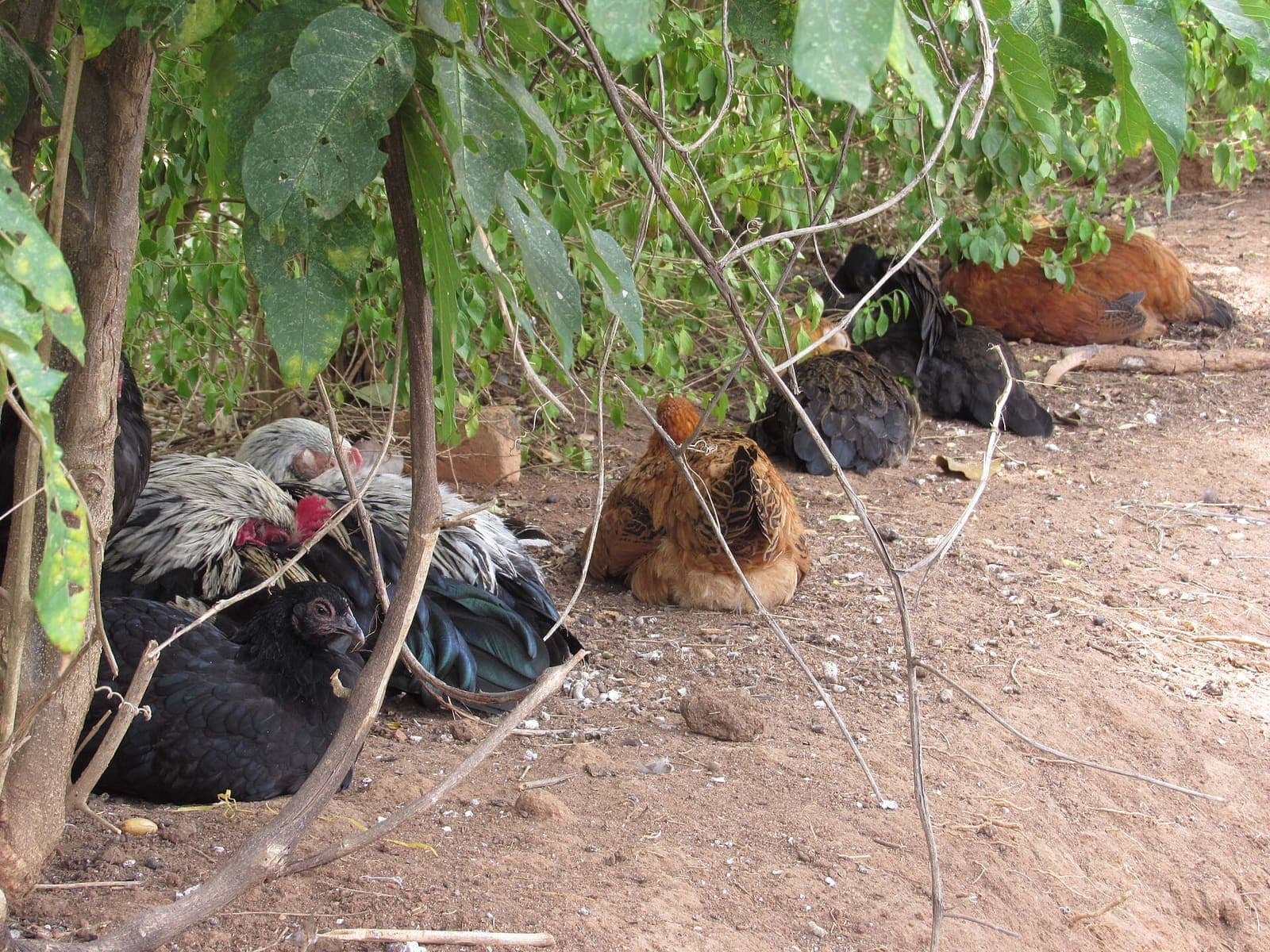
Heat stress
Above a heat-and-humidity index of 78, expect the animals to go off feed and production to drop.
Soil
Not soil dependent. Needs a well-ventilated house with nest boxes and secure night housing.
Feed and water
Layer ration with adequate calcium once in lay. Clean water at all times — a day without water sets egg production back for weeks.
What you will need
Tick what you already have; Grow carries the rest into the cost working.
Grow holds no supplier listings and no local prices, so it cannot tell you where to buy these or what they cost near you. Ask at your nearest agrodealer or extension office, then put those figures into the planner.
Through the season
Stages
- 01
Rearing
126 days- Grow pullets to point of lay
- Vaccinate on schedule
- Monitor weight
- 02
Point of lay
21 days- Switch to layer feed
- Install nest boxes
- Collect first eggs
- 03
Peak production
180 days- Collect eggs at least twice daily
- Watch feed and calcium
- Track laying rate
- 04
Late production
180 days- Expect a gradual decline
- Decide on culling or a second cycle
Watch for
Common problems
Newcastle disease
- What you will see
- Sudden drop in laying, nervous signs, deaths across the flock.
- What to do
- Vaccinate on schedule. There is no treatment once the flock is infected.
Fowl mites and lice
- What you will see
- Restless birds, feather damage, pale combs, laying falls off.
- What to do
- Inspect vents regularly, clean and treat housing, and dust birds with a vet-approved product.
Egg-eating
- What you will see
- Broken shells and yolk in nest boxes.
- What to do
- Usually crowding, poor nesting or low calcium. Add nest boxes, darken them, and check the ration.
Follow the label for doses, and ask an extension officer or vet before using a chemical you have not used before.